
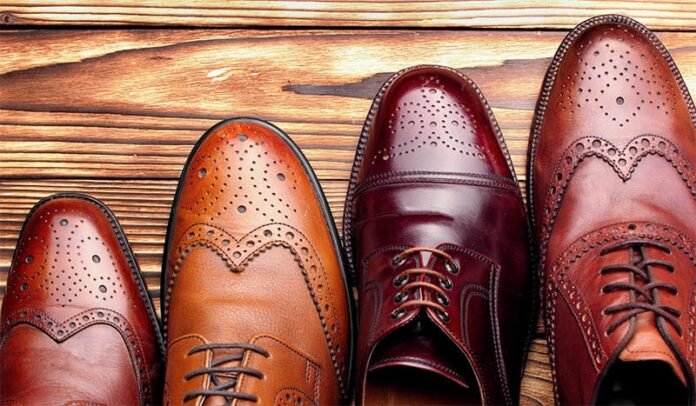
The best dress shoes for men are the Oxford, Derby, loafer, and Chelsea boot. A black cap toe Oxford covers the most formal occasions, a penny or tassel loafer handles business casual, a Chelsea boot bridges smart and casual year-round, and a Derby is the most comfortable everyday option. For formal shoes for college students, a black Derby or penny loafer is the safest starting point.
The global formal and dress footwear market size is estimated between $48.24 billion and $63.81 billion in 2026.
Wearing the right shoes can take any outfit from boring to sophisticated fashion. Dress shoes elevate any outfit, whether it’s casual or formal wear. The best dress shoes for men are not only stylish but practical as well.
Everyone wants to put their best foot forward and in their best shoes, but not everyone knows how. You wouldn’t want to have a fashion faux-pas in the middle of a formal event. Worse yet, you wouldn’t want to spend a fortune wearing the most expensive clothing brand’s shoe only for it to go out of fashion in a few months.
Different shoe styles suit different occasions and outfits. Some men’s dress shoes are only to be worn to formal events, and others should never be worn at a black-tie event. Thankfully, this guide will help you prevent any fashion mishaps in the future.

Take a look at these timeless types of dress shoes that every man should have in their closet. These formal shoes for men give a classy look to any outfit.
10 Best Dress Shoes for Men
Men’s dress shoes should remain ageless and work with almost any style of clothing you wear – whether that style is formal, casual, or anything in between. Brown or black dress shoes with a sleek leather or suede finish are always a safe bet. The main thing is to pick comfortable dress shoes.
1. Oxford Shoe
Oxford shoes are a good starting point when you’re buying a dress shoe. It is a basic shoe that is so versatile that it can be worn almost anywhere. Depending on the color and style, they can be dressed up or down.
One of the earliest documented written references to the “Oxford” shoe dates back to 1846, when English shoemaker Joseph Sparkes Hall described it as an ideal walking shoe. The shoe gained popularity in the 1800s among Oxford University students. The aim was to exhibit your status at the time.
The most recognizable characteristics of Oxford dress shoes are the closed lacing, low heel, and long toe. It comes in four different styles, but the most common style is the Cap Toe Oxford. This style of shoe is most often worn as business attire or for formal occasions.
Wholecut Oxfords are made from a single piece of leather, representing the pinnacle of formal dress shoes. They are produced by some of the best shoemakers worldwide.

2. Derby Shoes
Derby shoes are often confused with Oxford shoes. They are quite different once you know their distinct characteristics. Derby shoes, unlike Oxfords, have an open lacing system.
This means that the vamp (section on top of the shoe that covers the foot) splits in half and laces.
The wider, more comfortable lacing makes this shoe more casual. The smooth leather designs give any outfit a polished look. A plain derby is the most versatile option as it can be a formal or casual dress shoe.

3. Chelsea Boots
These laceless boots are minimal and timeless. They originated in the 19th century and gained popularity in Chelsea in London, which is where they got their name. They have been a classic staple of men’s capsules wardrobes ever since.
Chelsea boots are traditionally made of leather but can be found in suede as well. The silhouette of the boot is the strongest pulling point.
The Chelsea boot is tight-fitting and cut right at the ankle to avoid adding any bulk. The elastic side panel on the shoe gives them a comfortable fit so that you can spend all day in them.

4. Loafers
The origins of the Loafer are a bit fuzzy because there were different variations of the shoe worn throughout many cultures in history. Native Americans wore a similar shoe to the loafer called moccasins. Fishermen in Northern Europe also had a variation of the shoe.
Loafers are versatile slip-on dress shoes. The penny loafer is a classic style of slip-on shoe that features a leather strap across the instep, typically with a diamond-shaped cutout or slit at the center. The name “penny loafer” is derived from the practice of inserting a penny into the slit as a decorative embellishment, although this is very rarely done today.
The other types of men’s loafers are horsebit, kiltie, driving, slipper, boat shoes, bit loafer and espadrilles. Bit loafers were invented by Aldo Gucci in 1953 and feature a piece of metal across the vamp.
Tassel loafers are a popular choice for business attire or weddings. The dapper shoe matches well with long pants, slacks, or shorts for a smart casual look. However, black tie and loafers do not mix style-wise.

5. Dress Boot
Dress Boots are slim and have a dressy look that is similar to an Oxford or Derby shoe. They have been in style since the Victorian era and are still a fashionable option worn by many today. They are great shoes to wear during the cold winter months because of their high ankles.
Dress Boots are more on the casual side of footwear and are not recommended to wear with suits or tuxedos. These boots pair well with casual wear like jeans or slacks. They instantly add some sophistication to an otherwise bland outfit and are great for the weekend.

6. Monk Straps
Monk Straps originated in the 15th century by European monks. They wore this style of shoe while working the fields. Modern-day Monk Straps have single, double, or triple buckled straps across the top of them.
A single strap shoe is the most formal out of the bunch because of the lack of detail which creates a sleeker look. This easy slip-on shoe is more formal than a loafer. Just use a bit of this shoe shine, and you can wear monk strap shoes to formal events.

7. Chukka Boots
Chukka Boots were originally worn as casual wear in the United Kingdom during the 1940s. Today, the tradition lives on and the boots are still seen in both formal and casual attire. It is the open lace and ankle-length design that allows this comfortable shoe to be more versatile in style.
A Chukka Boot can be a formal or casual shoe depending on the silhouette you choose. A slim silhouette is best for formal wear because of the simplicity of the style.
A chunky sole will make the shoe more casual and laid-back. These popular men’s boots look good in both leather and suede.

8. Wingtip
Wingtip dress shoes, also known as brogues, are a classic and stylish footwear option suitable for formal or business attire. Brogue shoes originated as practical, water-draining outdoor footwear for farmers and workers in Ireland and Scotland during the 16th century.
These shoes are characterized by decorative perforations and a wing-shaped cap on the toe, lending them a distinctive and elegant appearance.
The perforations, or broguing, can vary in complexity, ranging from subtle to more elaborate designs. Wingtip dress shoes are often crafted from high-quality leather and are available in various colors, making them a versatile choice for complementing a range of outfits.
With their timeless appeal and sophisticated detailing, wingtip dress shoes are a popular choice for individuals seeking a refined and polished look for semi-formal occasions or professional settings. However, they’re not usually worn for the most formal events such as funerals.

9. Opera Pumps
Opera Pumps are formal slippers from the 19th century only worn with evening wear. They are typically black in color and adorned with a bow on the top. The shoe is typically made with quilted silk or black patent leather with a high gloss finish.
Although not as popular today as in the Victorian era, these men’s dress shoes will certainly elevate any formal wear. They are standard shoes to wear with white tie attire but are acceptable to wear to black-tie events as well.

10. Zero Drop Dress Shoe
Zero drop dress shoes are the perfect travel companion for any journey, with their foldable, slip-on design. Unlike traditional dress shoes, their zero drop profile offers superior comfort while still giving you a smart look that won’t go unnoticed.
A faux heel in the back adds elegance and enables your foot to stay flat to the ground. Plus, after a long day of meetings or sightseeing, you don’t have to worry about removing dirt from your shoes – they are machine washable.
A zero drop dress shoe provides all day comfort without compromising style. Light weight yet durable, these modern dress shoes have an upper made from flyknit fibers that help to reduce production waste. We’ve tried them personally and found them to be as comfortable as sneakers!

What Men’s Dress Shoes Are in Style in 2026?
Loafers are the standout story of 2026. Industry reports from WWD show that revenue for products containing the word “loafer” on U.S. TikTok Shop increased by 225% year-over-year. Furthermore, global market forecasting from industry analysts notes that the leather loafer segment led the men’s footwear market with the largest commercial revenue share of 51.5%.
Penny loafers and bit loafers have moved decisively from business-casual into everyday wear, showing up in suede and rich earth tones alongside suits and tailored trousers alike. Chelsea boots are holding strong, particularly in tan and chocolate brown. The minimalist silhouette pairs effortlessly with everything from slim-cut chinos to tailored separates.
Oxfords aren’t going anywhere, but the wholecut Oxford is having a moment: one clean piece of leather, no seams, no fuss. It reads as quietly luxurious without trying too hard.
Brogues (wingtips) continue to split the difference between formal and smart-casual. A tan or cognac brogue in suede is one of the most wearable choices this season. Derby shoes are also gaining ground as a softer, more relaxed alternative to the Oxford for office dressing. For evening occasions, opera pumps remain the gold standard under white tie. The broader trend is versatility: men are choosing shoes that work across two or three dress codes, not just one.
Best Formal Dress Shoes for College Students
The best dress shoes for college are the ones that pull double duty: sharp enough for a presentation or interview, comfortable enough to walk a campus all day. Here are the top picks.
●Oxford (Cap Toe): The safest starting point. A black or dark brown cap toe Oxford works with every formal college occasion, from internship interviews to graduation ceremonies. Buy the best leather quality your budget allows and they’ll last years.
●Derby: If your feet run wide or you find Oxfords stiff, the Derby is the smarter choice. The open lacing gives a roomier fit and the shoe is just as polished. A plain black Derby is nearly as formal as an Oxford and a lot more forgiving.
●Loafer (Penny or Tassel): The go-to for business casual. A penny loafer in tan or burgundy leather looks sharp with chinos, slacks, or dark jeans. No laces means no fussing between lectures.
●Chelsea Boot: The most versatile pick if you want one shoe that works for both formal days and weekends. The clean silhouette keeps things polished and the elastic panel means you’re in and out in seconds.
●Chukka Boot: A solid budget-friendly choice. Suede chukkas in tan or grey have a laid-back polish that suits college dressing, formal enough for class presentations, relaxed enough for everything else.
For college wear, comfort matters as much as style. Prioritize well-made leather shoes with proper insoles, and look after them with a decent shoe cream so they last through more than one academic year.
What Dress Shoes Should Every Man Own?
You don’t need a wardrobe full of shoes to be well-dressed. You need the right three or four, chosen to cover every occasion. Here’s the short list.
●One black Oxford or Derby. This is your formal workhorse: funerals, job interviews, weddings where you’re a guest, and any event with a strict dress code. If you only own one pair of dress shoes, make it this one.
●One brown or tan loafer. The most versatile casual dress shoe there is. A penny or tassel loafer in tan leather or suede takes you from business casual to smart weekend wear without missing a beat.
●One Chelsea boot. Ankle boots work year-round and bridge the gap between smart and casual better than almost any other shoe. Go for tan or dark brown to keep them wearable across seasons.
●One brogue or wingtip (optional). If you like a bit more personality in your footwear, a cognac or burgundy brogue adds character to business and smart-casual outfits. Not for black-tie, but everything else is fair game.
| Feature | Oxford | Derby | Loafer | Chelsea Boot | Monk Strap | Chukka Boot | Wingtip/Brogue | Opera Pump |
|---|---|---|---|---|---|---|---|---|
| Lacing | Closed | Open | None | None | Buckle strap | Open lace | Closed | None |
| Formality level | Very formal | Formal to casual | Business casual | Smart casual | Formal to smart | Casual to formal | Semi-formal | Most formal |
| Black tie suitable | Yes | No | No | No | Single strap only | No | No | Yes |
| College friendly | Yes | Yes | Yes | Yes | No | Yes | No | No |
| Available in suede | n/a | Yes | Yes | Yes | n/a | Yes | Yes | No |
Black vs Brown Dress Shoes: Which Should You Choose?
The old rule was simple: black shoes for formal, brown shoes for casual. That rule still holds at its extremes, but the middle ground is more nuanced now.
●Black dress shoes are the default for the most formal occasions: black-tie events, funerals, and high-stakes interviews. They pair cleanly with charcoal, navy, and black suits. They’re harder to style with brown or olive tones.
●Brown and tan dress shoes are more versatile in day-to-day wear. Cognac, tan, and chocolate brown tones work with navy, grey, and mid-blue suits, and they look far more natural with casual trousers and chinos. The spectrum from light tan through mid-brown to dark chocolate gives you a lot of range.
●Burgundy sits between the two and is arguably the most sophisticated choice in a man’s shoe wardrobe. It works with grey, navy, and even charcoal suits, and it gives any outfit an edge that plain black or brown can’t quite match.
The practical rule: own at least one black and one brown or tan pair. That combination covers everything from boardroom to weekend.
Key Takeaways
●Oxford shoes have closed lacing and are the most formal everyday dress shoe, they suit every dress code from business to black-tie.
●Derby shoes have an open lacing system that makes them more comfortable and more relaxed than Oxfords, making them ideal for daily office wear.
●Chelsea boots are laceless, ankle-cut, and work across smart and casual outfits all year round.
●Loafers offer slip-on versatility that takes you from business casual to smart weekend wear without breaking a sweat.
●Opera pumps are the only correct shoe for white-tie events and remain acceptable for black-tie occasions.
●Black = most formal; brown and tan are more versatile for everyday wear; burgundy is the most sophisticated choice of all.
●Formal shoes for college: a black cap toe Oxford, plain Derby, or penny loafer covers most occasions, prioritize genuine leather so they last.
●Brogues are a decorative detail (perforated holes), not a shoe type in their own right, they appear across Oxfords, Derbies, and other styles.
Final Thoughts on Men’s Dress Shoes
You may have also heard of brogue shoes. Somewhat confusingly, brogues aren’t actually a type of men’s dress shoe, but a decorative feature.
First worn by Irish and Scottish workers in the 1800s, brogues have perforated holes which were thought to originally enable water to drain out when the wearer walked on boggy ground.
There are several types of brogue dress shoes for men:
- Full Brogue – also known as wingtips, these highly decorative shoes feature a pointed toe cap with extensions in a W shape.
- Half Brogue – invented by the John Lobb company, half brogues have a perforated medallion pattern at the front of the shoe.
- Quarter Brogue – these shoes have a minimal perforated detail on the seam of the cap.
Dress shoes are an ageless staple every man should have on their shoe rack. The right shoe, shirt collar, pocket square and a luxurious watch can make you look effortlessly stylish.

Most dress shoes can be either formal or casual, like an Oxford Shoe. Others, like an Opera Pump, can only be worn to special events. The more you know about dress shoes, the better your style can be.
Whether you prefer a plain toe or a more decorative style, these eight classic dress shoes will have any man feeling their best no matter what they wear.
Frequently Asked Questions
What are the most formal dress shoes for men?
Opera pumps are the most formal men’s dress shoe, reserved for white-tie and black-tie events. Below them, wholecut Oxfords and plain cap toe Oxfords are the standard for black-tie and high-formality occasions. Single-strap monk straps also work for formal events. Loafers, brogues, and boots are generally not appropriate at the very top end of the dress code.
What dress shoes should a man have?
Every man should own at least three pairs: one black Oxford or Derby for formal occasions, one brown or tan loafer for business casual, and one Chelsea boot for smart-casual versatility. A brogue or wingtip in cognac or burgundy is a worthwhile fourth pair for anyone who wants more personality in their wardrobe.
Are Derby shoes more casual than Oxford shoes?
Yes. Derby shoes are generally more casual than Oxfords because of their open lacing system, which gives a wider, less structured silhouette. A plain leather Derby sits just below an Oxford in formality and is a good choice for business casual or smart-casual occasions. Oxfords, with their closed lacing and clean lines, are the more formal of the two.
Can you wear loafers to a wedding?
Yes, tassel loafers are an accepted choice for weddings, particularly for smart-casual or business-formal dress codes. Penny loafers in black or dark brown can work for more formal weddings when paired with a well-fitted suit. However, loafers are not suitable for black-tie events, where an Oxford or opera pump is the correct choice.
What is the difference between a full brogue and a half brogue?
A full brogue, also known as a wingtip, features a W-shaped toe cap with decorative perforations along the seam, plus broguing along the welt. A half brogue has a straight toe cap with a perforated medallion at the center of the cap and broguing along the cap seam only.
The quarter brogue is the most minimal, with a plain toe cap and just a subtle perforated seam, no medallion. The more broguing a shoe has, the more casual it reads.
Can you wear Chelsea boots to a formal event?
Chelsea boots sit in smart-casual to business-casual territory rather than formal dress. They pair well with tailored trousers, slim chinos, and even a blazer for a sharp everyday look.
However, they are not appropriate for black-tie or white-tie events, where an Oxford or opera pump is the correct choice. For most weddings and office occasions below black-tie, a clean leather Chelsea boot in black or dark brown is perfectly acceptable.
Interested in luxury men’s style? Check out these other luxury style features:
Like this guide on the best types of dress shoes for men? Pin for later or share with friends.


